Chicago Cubs vs Milwaukee Brewers Timeline: Late Rally Leads Cubs to Victory
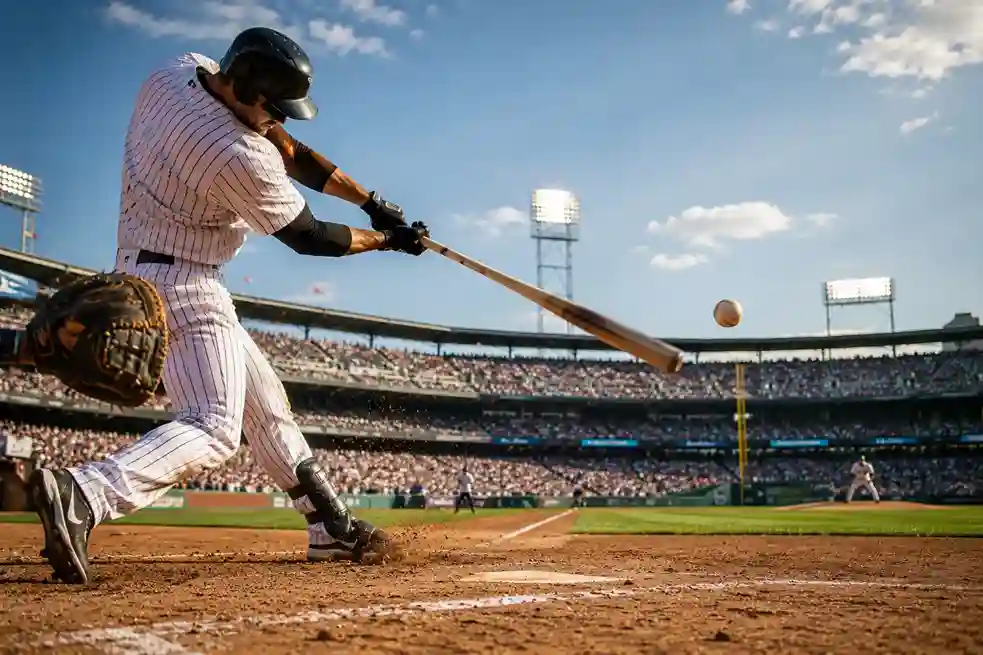
Series finales rarely stay quiet, and the chicago cubs vs milwaukee brewers timeline from American Family Field on June 28, 2026, proves it. Chicago spent nine innings searching for offense against a Brewers pitching staff that refused to bend. Then Milwaukee’s bullpen cracked exactly once, and that was enough.
The Lead
On Sunday afternoon, June 28, 2026, the Chicago Cubs and Milwaukee Brewers closed out a three-game set at American Family Field in front of 42,056 fans. Brandon Woodruff and a bullpen game led by Ryan Rolison traded zeroes into the seventh inning before Chicago tied things with a wild-pitch run.
The contest stretched into extra frames, where a three-run tenth built on two walks, a hit-by-pitch, and a two-run single from Seiya Suzuki turned a 1-1 deadlock into a 4-1 Cubs lead. Milwaukee answered with two runs in the bottom half before Jordan Wicks, called up from Triple-A earlier that day, induced a bases-loaded double play to lock down a 4-3 Cubs win.
The victory capped a series the Cubs won two games to one after dropping the opener 6-2 on Friday, and it snapped a five-game Brewers winning streak. Milwaukee still left Milwaukee-area competition atop the NL Central at 50-31, but Chicago pulled to within six and a half games with the extra-inning win pushing them to 46-38.
Match Overview
| Information | Match Details |
| Event | MLB Regular Season — NL Central |
| Game | Chicago Cubs vs Milwaukee Brewers |
| Date | Sunday, June 28, 2026 |
| Venue | American Family Field, Milwaukee, WI |
| Attendance | 42,056 |
| Winner | Chicago Cubs |
| Final Score | Cubs 4, Brewers 3 (10 innings) |
| Broadcast | MLB.TV |
Core Match Statistics Overview
The box score tells a lopsided story on paper, but the Cubs made their four hits count while the Brewers stranded traffic all afternoon.
| Metric | Chicago Cubs | Milwaukee Brewers |
| Runs | 4 | 3 |
| Hits | 4 | 10 |
| Errors | 1 | 0 |
| Extra-Base Threat | Limited — mostly singles and small ball | Sanchez solo HR, multiple doubles-caliber traffic |
| Winning Pitcher | Jacob Webb (3-2) | — |
| Losing Pitcher | — | Joel Kuhnel (1-3) |
| Save | Jordan Wicks (1) | — |
Hits vs. Runs Efficiency
- Milwaukee out-hit Chicago 10-4 yet still lost, a clear sign of how many runners the Brewers left on base against a Cubs bullpen that tightened up when it mattered.
- Chicago’s offense stayed dormant for six-plus innings before erupting for all four of its runs across two separate rallies.
Bullpen Battle
- Abner Uribe and Ethan Roberts each entered in high-leverage relief spots for Milwaukee and each allowed Chicago to either tie or take the lead.
- Jordan Wicks, summoned from the alternate site that same Sunday, closed the door with a bases-loaded double play — about as high-pressure a big-league debut moment as it gets.
Situational Hitting
- Chicago’s biggest damage came with two outs in the tenth, when Michael Busch’s bases-loaded walk and Seiya Suzuki’s two-run single turned a tie game into a two-run cushion.
- Milwaukee’s own two-out rally in the bottom of the tenth — Christian Yelich’s RBI single plus back-to-back walks and a bases-loading single from Brice Turang — nearly erased the deficit before Wicks slammed the door.
Inning-by-Inning Analysis
Early Innings (1-6): Woodruff and Rolison Trade Zeroes
| Inning | Cubs | Brewers |
| 1-6 Combined | 0 | 1 |
- Brandon Woodruff carried a scoreless outing into the sixth, mixing his fastball and changeup to keep Chicago’s lineup off balance.
- Milwaukee’s only run in this stretch came in the second, when Sanchez lifted a two-out solo home run — his eighth of the season — off Ryan Rolison, who opened a bullpen game for the Cubs.
- Chicago managed almost nothing against Woodruff through six, setting up a tense final third of the game.
The Seventh: Chicago Ties It
| Inning | Cubs | Brewers |
| 7 | 1 | 0 |
- Ian Happ drew a leadoff walk against reliever Aaron Ashby and moved to third on a Nico Hoerner single.
- A wild pitch scored Happ from third, tying the game at 1-1, while Hoerner advanced to second on the same play and later to third on a balk.
- Pinch-hitter Matt Shaw walked to load the bases before Abner Uribe entered and retired the next two Milwaukee hitters to strand the go-ahead run.
The Tenth: Extra-Inning Fireworks
| Inning | Cubs | Brewers |
| 10 | 3 | 2 |
- With the automatic runner on second, Justin Dean advanced to third on a groundout before Pete Crow-Armstrong was intentionally walked and promptly stole second, putting two runners in scoring position.
- Alex Bregman was hit by a pitch to load the bases, and Michael Busch drew a bases-loaded walk to force in the go-ahead run against Joel Kuhnel.
- Seiya Suzuki followed with a two-run single to left, and Milwaukee’s own two-out rally in the bottom half — an RBI single from Christian Yelich and a bases-loading knock from Brice Turang — fell just short when Jordan Wicks got a game-ending double play with the bases loaded.
Chicago Cubs Player Contributions
Seiya Suzuki delivered the biggest offensive swing of the game, singling home two runs in the tenth to put Chicago ahead for good. Entering the day, Suzuki was hitting for a strong average with double-digit home run pop in the Cubs lineup, and this at-bat was the defining moment of the series finale.
Pete Crow-Armstrong entered the game as Chicago’s home run and slugging leader on the season — a .284 average with 17 homers, 45 RBI and a .516 slugging mark — and his tenth-inning intentional walk followed by a stolen base set the stage for the rally that decided the game.
Nico Hoerner kept the seventh-inning rally alive with a single that advanced Ian Happ and later moved himself into scoring position on a balk, a textbook example of situational contact hitting.
Jordan Wicks, called up from Triple-A earlier on game day, entered in the bottom of the tenth and induced a bases-loaded double play to close out the win — a signature moment for a pitcher making an emergency appearance.
Milwaukee Brewers Player Contributions
Brandon Woodruff was excellent for six-plus innings, holding Chicago off the board and giving the Brewers length out of the rotation in a game that ultimately needed bullpen innings from both sides.
Sanchez provided Milwaukee’s only run through the first six innings with a two-out solo home run in the second, his eighth of the season, and it briefly looked like it might be enough on a day when hits were hard to come by against Cubs pitching.
Christian Yelich sparked Milwaukee’s bottom-of-the-tenth response with a leadoff RBI single, advancing to second on the throw home and keeping the Brewers’ comeback hopes alive into the final out.
Brice Turang, who entered the series as one of Milwaukee’s most productive everyday bats, followed Jackson Chourio’s walk with a single that loaded the bases with no outs in the tenth — the Brewers’ best chance to walk it off before Wicks retired the side.
Statistical Leaders Summary
| Category | Chicago Cubs | Milwaukee Brewers |
| Deciding Hit | Seiya Suzuki (2-run single, 10th) | Christian Yelich (RBI single, 10th) |
| Key Home Run | — | Sanchez (solo HR, 2nd inning) |
| Winning/Save Pitcher | Jacob Webb (W), Jordan Wicks (SV) | — |
| Losing Pitcher | — | Joel Kuhnel (L) |
Why the Cubs Won
Patience in the Tenth
Chicago’s tenth-inning rally was built on plate discipline as much as hitting — an intentional walk to Crow-Armstrong, a hit-by-pitch to Bregman, and a bases-loaded walk to Busch all came before Suzuki’s go-ahead single. The Cubs let the Brewers bullpen work itself into trouble instead of chasing pitches early in counts.
| Approach | Result |
| Free bases drawn (BB/HBP) in the 10th | 2 |
| Runs forced in via walk | 1 |
| Two-out damage | Suzuki 2-RBI single |
Bullpen Depth at the Right Moment
Jacob Webb picked up the win and Jordan Wicks — fresh off a call-up — closed it out, showing the Cubs could plug a hole with a same-day roster move and still get a shutdown outing when it mattered most.
Timely Situational Hitting
Both Chicago rallies, in the seventh and the tenth, were built on advancing runners with contact rather than extra-base hits, a formula that worked twice against a Brewers pitching staff that had otherwise limited hard contact all afternoon.
Why the Brewers Lost
Stranded Baserunners
Milwaukee out-hit Chicago 10-4 but couldn’t consistently convert that traffic into runs, especially in the middle innings when the Brewers had chances to extend their lead beyond the second-inning solo shot.
Bullpen Cracks in Extra Innings
Aaron Ashby, Abner Uribe, Joel Kuhnel, and Ethan Roberts combined to allow the tying and go-ahead runs across the seventh and tenth innings, undoing a strong start from Woodruff.
A Near-Miss Comeback That Fell Short
Milwaukee’s own two-out rally in the bottom of the tenth got the tying run to the plate with the bases loaded, but Jordan Wicks’ double play ended the threat before the Brewers could complete the comeback.
Historical Context & Advanced Insights
Season Series Breakdown
| Game | Date | Winner | Score |
| Game 1 | June 26, 2026 | Brewers | 6-2 |
| Game 2 | June 27, 2026 | Cubs | 8-2 |
| Game 3 | June 28, 2026 | Cubs | 4-3 (10 innings) |
Chicago took two of three in the series, snapping Milwaukee’s five-game winning streak in the process, even as the Brewers held a comfortable lead in the NL Central standings.
Advanced Statistical Insights
The gap between hits allowed and runs allowed is the story of this game. Milwaukee posted 10 hits but converted only three into runs, a sign that sequencing — not raw contact quality — decided the outcome. Chicago’s approach of drawing walks and hit-by-pitches to load the bases before getting a clutch two-out hit is a repeatable formula against bullpens that are already stretched thin in extra innings, since it forces pitchers to throw strikes into hitter’s counts rather than nibble at the edges.
Game Implications & Key Lessons
What This Means for the Cubs
- A road series win against the division-leading Brewers is a meaningful confidence boost heading into a stretch further from the top of the NL Central.
- Getting length from Ryan Rolison’s bullpen day, even in a loss-adjacent role, gives Chicago more roster flexibility going forward.
- The emergency call-up of Jordan Wicks paying off immediately adds organizational depth heading into the second half.
What This Means for the Brewers
- Milwaukee’s inability to cash in extra hits into runs is worth monitoring, since 10 hits for 3 runs is an inefficient day at the plate even in a loss.
- Bullpen usage in close, extra-inning games will be an area to watch as the season progresses and the Brewers try to hold their NL Central lead.
- Despite the loss, Milwaukee’s 50-31 record kept them comfortably in first place, softening the immediate sting of the series loss.
Key Lessons
- Extra-inning baseball often comes down to bullpen matchups, not just starting pitching.
- Drawing walks and hit-by-pitches can be just as valuable as hits when it comes to manufacturing runs late in games.
- A single well-timed hit — like Suzuki’s two-run single — can outweigh a 10-hit, 3-run offensive day for the other side.
- Emergency roster moves, like Wicks’ same-day call-up, can pay immediate dividends in high-leverage spots.
- Stranding baserunners is often the deciding factor in close, low-scoring extra-inning games.
- Situational hitting and productive outs matter as much as power in tight late-game spots.
Frequently Asked Questions
Who won the Cubs vs Brewers game on June 28, 2026?
The Chicago Cubs won 4-3 in 10 innings at American Family Field.
What was the final score of the Cubs-Brewers series finale?
Chicago won 4-3, capping a series the Cubs took two games to one.
Who had the go-ahead hit for the Cubs?
Seiya Suzuki delivered a two-run single in the top of the 10th inning that put Chicago ahead 4-1.
Who got the save for the Cubs?
Jordan Wicks, called up from Triple-A earlier that Sunday, earned the save by getting a game-ending double play with the bases loaded.
How many hits did each team have?
Milwaukee out-hit Chicago 10-4, but the Cubs made their hits count in the two innings that mattered most.
What was the attendance for the game?
42,056 fans were at American Family Field for the series finale.
Conclusion
This series finale between the Cubs and Brewers was decided less by volume of hits and more by which team converted its opportunities when the pressure was highest. Milwaukee’s 10 hits amounted to only three runs, while Chicago’s four hits and disciplined at-bats in the tenth produced the difference-making runs.
It’s a reminder that in tight, low-scoring baseball games, situational execution and bullpen composure usually outweigh a simple hits column.