Arizona Cardinals vs Carolina Panthers Match Player Stats: Haynes King’s Last-Second Scramble Leads Panthers to Victory
Preseason football rarely delivers drama, but the opening game of the 2026 slate broke that pattern completely. Fans searching for arizona cardinals vs carolina panthers match player stats want more than a final score — they want the box score details that explain how a backup quarterback stole a shootout on the final snap. Here’s the full breakdown of every key number from Canton.
The Lead
The Carolina Panthers edged the Arizona Cardinals 33-30 in the 2026 Pro Football Hall of Fame Game on Thursday, August 6, at Tom Benson Hall of Fame Stadium in Canton, Ohio, in front of 18,116 fans. The contest, broadcast nationally on NBC and Peacock as part of Football Night in America’s preseason kickoff, doubled as the unofficial start of the NFL calendar and the celebration weekend for the Pro Football Hall of Fame’s 2026 induction class.
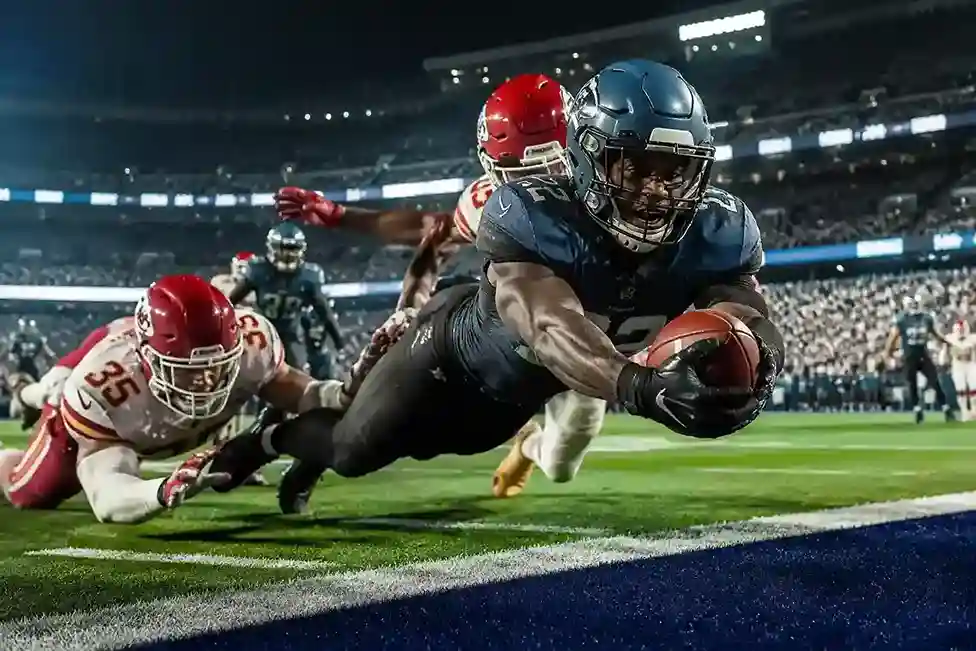
With both teams resting their true starters, the night belonged to two rookie-adjacent quarterbacks: Arizona’s third-round pick Carson Beck lit up the first half before giving way to Kedon Slovis, while Carolina’s undrafted Haynes King authored the signature moment of the night, scrambling five yards for the game-winning touchdown as time expired. Arizona had briefly grabbed a 30-27 lead in the final two minutes on a replay-reviewed touchdown, but King answered on a 16-play, 65-yard march to steal the win on the last play of the game.
Match Overview
| Information | Match Details |
| Event | 2026 Pro Football Hall of Fame Game (NFL Preseason) |
| Game | Carolina Panthers vs Arizona Cardinals |
| Date | Thursday, August 6, 2026 |
| Venue | Tom Benson Hall of Fame Stadium, Canton, OH |
| Attendance | 18,116 |
| Winner | Carolina Panthers |
| Final Score | 33-30 |
| Broadcast | NBC, Peacock, NFL+ |
Core Match Statistics Overview
The Arizona cardinals vs carolina panthers match player stats tell a strange story on paper — the losing team actually out-gained the winner. Here’s how the two offenses compared across the board.
| Team Stat | Carolina Panthers | Arizona Cardinals |
| Total Yards | 378 | 425 |
| Total Plays | 68 | 65 |
| Yards Per Play | 5.6 | 6.5 |
| Passing Yards | 237 | 282 |
| Yards Per Pass Attempt | 5.3 | 9.7 |
| Rushing Yards | 141 | 143 |
| Yards Per Carry | 6.4 | 4.2 |
| Turnovers | 1 | 0 |
| Time of Possession | 25:39 | 34:21 |
Passing Efficiency
- Arizona’s quarterbacks combined for a far more explosive night through the air, averaging nearly double Carolina’s yards per pass attempt.
- Carson Beck’s 188-yard, one-touchdown debut carried most of that efficiency, aided by a pair of chunk completions down the field.
Ground Game Production
- Carolina’s backfield was more efficient per touch, ripping off 6.4 yards per carry compared to Arizona’s 4.2.
- A 36-yard scamper from rookie Miles Davis was the signature run of the night and set up a field goal that briefly extended Carolina’s lead.
Time of Possession and Clock Management
- Arizona held the ball nearly nine minutes longer than Carolina, a stat that typically correlates with wins but didn’t this time.
- Carolina’s offense made its limited possessions count, scoring on its final drive of the game when it mattered most.
Period-by-Period Analysis
| Quarter | Carolina Panthers | Arizona Cardinals |
| 1st | 0 | 0 |
| 2nd | 17 | 17 |
| 3rd | 0 | 3 |
| 4th | 16 | 10 |
| Total | 33 | 30 |
- Both offenses were held scoreless in the opening quarter as backup-heavy units found their rhythm, before the floodgates opened in the second.
- Carolina and Arizona traded touchdowns in the second quarter to reach a 17-17 halftime tie, with Carson Beck capping a long drive with a touchdown pass to Simi Fehoko and Haynes King answering with a strike to Ja’Seem Reed.
- The fourth quarter turned into a track meet, with Arizona kicking two field goals and adding a go-ahead touchdown before Carolina closed the door on the final snap of the night.
Carolina Panthers Player Statistics
Haynes King (QB): 21-of-34 passing, 180 yards, 2 passing touchdowns, plus 39 rushing yards and a game-winning rushing touchdown. King was the story of the night, mixing accurate intermediate throws with the mobility that made him the reigning ACC Player of the Year, and he delivered the deciding score by diving across the goal line as time expired.
Kenny Pickett (QB): 8-of-11 passing, 62 yards. Pickett opened the game under center in place of Bryce Young and moved the offense efficiently in limited action before giving way to King.
John Metchie III (WR): 3 receptions, 38 yards, 1 touchdown. Metchie was Carolina’s leading receiver on the night, using sharp route-running to find soft spots in Arizona’s zone coverage in the first half.
Miles Davis (RB): 3 carries, 1 reception, 50 total yards from scrimmage, including a 36-yard run. The rookie out of Utah State provided the game’s longest rushing play and set up a field goal on his most explosive touch.
Arizona Cardinals Player Statistics
Carson Beck (QB): 15-of-19 passing, 188 yards, 1 touchdown, 125.4 passer rating. Making his first NFL appearance as a third-round pick, Beck looked composed in the pocket, connecting on a 49-yard strike to Jalen Brooks and closing his opening drive with a touchdown pass.
Kedon Slovis (QB): Relieved Beck in the third quarter and threw the go-ahead touchdown pass late in the fourth. Slovis engineered the drive that put Arizona in front 30-27 with less than two minutes remaining, connecting with Bryson Green on a reviewed touchdown catch.
Jalen Brooks (WR): 3 receptions, 99 yards. Brooks was Arizona’s biggest offensive weapon, hauling in a 49-yard gain that set up a touchdown and finishing as the game’s leading receiver by a wide margin.
Corey Kiner (RB): 14 carries, 57 yards, 1 touchdown. Kiner paced Arizona’s ground game with steady, between-the-tackles production and punched in a short touchdown run.
Chad Ryland (K): 3-of-3 on field goals, 3 extra points made. Ryland was perfect on the night, keeping Arizona within striking distance with three made field goals in the second half.
Statistical Leaders Summary
| Category | Carolina Panthers | Arizona Cardinals |
| Leading Passer | Haynes King (180 yds, 2 TD) | Carson Beck (188 yds, 1 TD) |
| Leading Rusher | Miles Davis (36-yd long run) | Corey Kiner (57 yds, TD) |
| Leading Receiver | John Metchie III (38 yds, TD) | Jalen Brooks (99 yds) |
| Game-Winning Play | Haynes King 5-yd rushing TD | — |
Why the Panthers Won
Explosive Rushing Efficiency
Carolina’s offense averaged 6.4 yards per carry, more than two full yards better than Arizona’s 4.2, giving Carolina’s coaching staff a reliable answer whenever the passing game stalled.
| Metric | Panthers | Cardinals |
| Rushing Yards | 141 | 143 |
| Yards Per Carry | 6.4 | 4.2 |
Finishing the Final Drive
Down 30-27 with under two minutes left, Carolina strung together a 16-play, 65-yard drive that consumed the rest of the clock, culminating in Haynes King’s diving touchdown on the final snap of the night.
Balanced Backfield Contributions
Between Miles Davis’s explosive 36-yard run and King’s own 39 rushing yards, Carolina got production from multiple ball-carriers rather than leaning on one back to carry the offense.
Why the Cardinals Lost
Explosive Yardage Didn’t Translate to Points
Arizona out-gained Carolina 425-378 and held the ball nine minutes longer, yet still lost, a sign that yardage totals mattered less than execution in the game’s final possessions.
Defense Couldn’t Close the Door
After grabbing a 30-27 lead with 1:55 remaining, Arizona’s defense allowed Carolina to methodically drive the length of the field for the winning score, unable to force a single stop when it needed one most.
Historical Context and Advanced Insights
Recent Series Between These Teams
| Date | Result |
| Sept. 14, 2025 | Cardinals 27, Panthers 22 |
| Dec. 22, 2024 | Panthers 36, Cardinals 30 (OT) |
| Oct. 2, 2022 | Cardinals 26, Panthers 16 |
| Nov. 14, 2021 | Panthers 34, Cardinals 10 |
These matchups have trended toward tight, back-and-forth affairs in recent seasons, and the 2026 Hall of Fame Game preseason opener fit that pattern with a three-point final margin.
Passing Efficiency Gap Explained
Arizona’s 9.7 yards per pass attempt dwarfed Carolina’s 5.3, driven largely by Carson Beck’s chunk plays, including the 49-yard connection with Jalen Brooks. That gap illustrates how a team can win the per-play efficiency battle through the air and still lose the game if red-zone execution and fourth-quarter situational defense fall short.
Rushing Efficiency as the Deciding Factor
While Arizona’s Corey Kiner needed 14 carries to reach 57 yards, Carolina’s backs needed far fewer touches to produce similar or better output, a difference that showed up most clearly on the Panthers’ final scoring drive when short-yardage runs kept the clock moving and the chains steadily fresh.
What This Means for the Panthers
- A confidence-building result for Haynes King as he pushes for a bigger role behind Bryce Young this season.
- Encouraging debut usage for rookie playmakers like Miles Davis heading into roster cutdowns.
- A reminder that Carolina’s offense can win low-possession games by finishing drives efficiently.
What This Means for the Cardinals
- Carson Beck’s efficient, mistake-free debut gives Arizona a legitimate developmental arm behind the current QB1.
- The defense needs sharper fourth-quarter execution in high-leverage situations before the games start counting.
- Arizona will want to clean up late-game clock and coverage management after allowing a 65-yard game-winning drive.
Key Lessons From the Game
- Total yardage and time of possession don’t guarantee a win if a defense can’t close.
- Backup quarterbacks can make a real case for a bigger role with one strong preseason outing.
- Explosive plays through the air can mask inefficiency on a per-drive basis.
- A high yards-per-carry average often signals an offense that’s tougher to defend in short-yardage situations.
- Special teams and field-goal reliability, like Chad Ryland’s perfect night, keep teams competitive even when trailing in total yards.
- Final-drive composure separates preseason winners from teams still searching for answers.
Frequently Asked Questions
Who won the Cardinals vs Panthers Hall of Fame Game?
The Carolina Panthers won 33-30 over the Arizona Cardinals on a last-play touchdown run by Haynes King.
Who had the best stats in the game?
Carson Beck led all passers in yardage with 188 yards and a touchdown on 15-of-19 passing, while Jalen Brooks led all receivers with 99 yards on three catches.
What were Haynes King’s final stats?
King finished 21-of-34 for 180 yards and two passing touchdowns, adding 39 rushing yards and the game-winning touchdown run.
Where was the game played?
The game was played at Tom Benson Hall of Fame Stadium in Canton, Ohio, in front of 18,116 fans.
Did either team play its normal starting quarterback?
No. Both teams rested their primary starters, with Kenny Pickett filling in for Bryce Young in Carolina and Carson Beck making his NFL debut ahead of Arizona’s regular starter.
How did Arizona take the lead late before losing?
Kedon Slovis threw a 1-yard touchdown pass to Bryson Green with 1:55 remaining, a score confirmed by replay review, to put Arizona up 30-27 before Carolina’s final drive.
Conclusion
The final arizona cardinals vs carolina panthers match player stats show a game where yardage and time of possession pointed one direction, but situational execution pointed the other.
Arizona’s offense produced more total yards and controlled the clock for longer stretches, yet Carolina’s efficient rushing attack and a clutch final drive from Haynes King proved to be the difference. It was preseason football, but the finish delivered the kind of drama that will have fans watching both quarterback battles closely for the rest of camp.